
Why Is Stuart, Florida, known as the “Sailfish Capital of the World”?
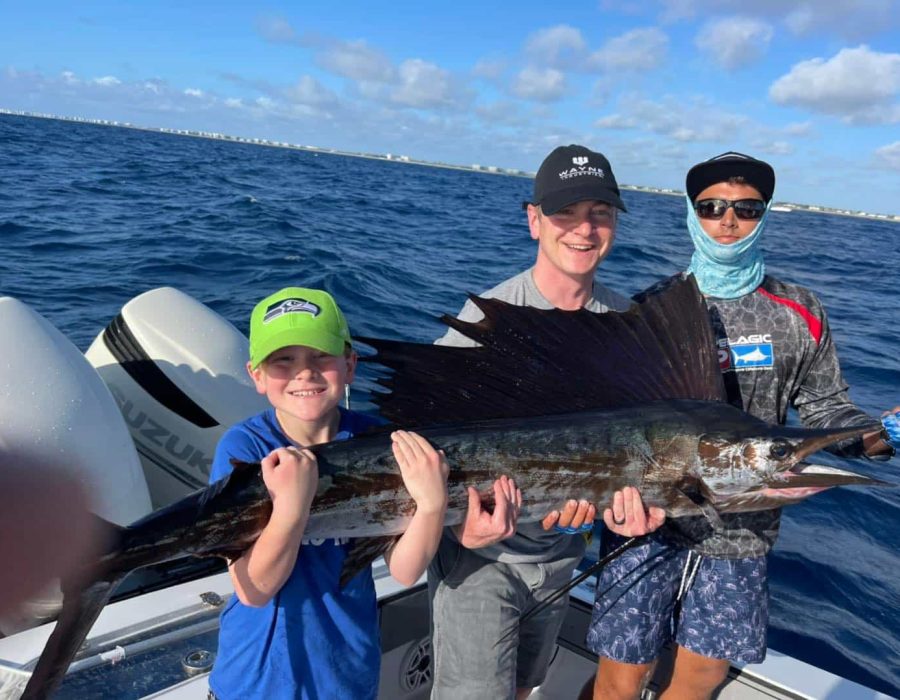
Stuart, Florida, proudly carries the title “Sailfish Capital of the World,” a nickname rooted in history, geography, and an extraordinary abundance of Atlantic sailfish. This small coastal city on Florida’s Treasure Coast earned its reputation in the late 1930s, when local waters were widely recognized for their remarkably high and consistent density of sailfish—especially during the winter months.
The phrase was first popularized in a 1938 newspaper article by editor Ernie Lyons, who highlighted the region’s unmatched sailfish fishing. Over time, the title became more than a headline. In 1957, community leaders formally adopted the nickname, solidifying it as a defining feature of Stuart’s identity. Today, the legacy continues to attract anglers and marine enthusiasts from around the world.
A Unique Geographic Advantage
One of the primary reasons Stuart became famous for sailfish is its ideal location. The city sits at the intersection of the Atlantic Ocean, the Indian River Lagoon, and the St. Lucie River. This rare geographic combination creates a rich and dynamic marine environment that supports diverse marine life.
Just offshore flows the Gulf Stream, a powerful ocean current that carries warm tropical water northward along Florida’s east coast. The proximity of the Gulf Stream to Stuart’s shoreline is a major factor in the area’s fishing success. In some places, the current moves relatively close to shore, making deep-water sport fishing more accessible than in many other coastal regions.
Warm water temperatures attract baitfish such as sardines and herring. Where baitfish gather, larger predatory fish follow. Sailfish, known for their speed and striking dorsal fins, are particularly drawn to these nutrient-rich waters. During the winter months, cold fronts push baitfish into tighter schools, creating ideal conditions for sailfish feeding activity. As a result, anglers often experience consistent action and high catch rates.
Record-Breaking Fishing History
Impressive catch records cemented Stuart’s reputation during the early days of organized sport fishing tournaments. In the winter of 1940–1941, one tournament produced an extraordinary result: at least 1,000 sailfish were caught and released over just eight days. These numbers were virtually unheard of at the time and helped position Stuart as a world-class fishing destination.
Importantly, even in those early years, many anglers practiced catch-and-release fishing. This conservation-minded approach helped sustain the region’s long-term appeal. The combination of abundant fish and responsible fishing practices strengthened Stuart’s standing in the sport fishing community.
The consistency of sailfish presence—rather than a single exceptional season—truly defined the area. Year after year, especially in winter, anglers reported reliable success. That reliability helped build national recognition and attracted visitors eager to experience the action firsthand.
The Cultural Embrace of a Nickname
The phrase “Sailfish Capital of the World” did not remain just a catchy slogan. After its introduction in 1938, local leaders and residents embraced it as a symbol of civic pride. By 1957, the title was formally adopted, and over time, the sailfish image became woven into the city’s identity, appearing in public art, community events, and regional branding. The fish itself—sleek, fast, and powerful—became a symbol of Stuart’s maritime heritage and close relationship with the Atlantic Ocean.
Fishing tournaments, seasonal events, and waterfront culture further reinforced the nickname. While many coastal towns are known for fishing, Stuart’s sustained history of high sailfish density set it apart. The name endured because it reflected a genuine and measurable distinction.
More Than Just Sailfish
Although sailfish are the headline species, the waters off Stuart are rich with a variety of prized sport fish. Offshore anglers frequently encounter marlin, mahi-mahi, kingfish, and tuna, depending on the season. Inshore fishing in the Indian River Lagoon and St. Lucie River offers opportunities to catch snook, redfish, and tarpon.
This diversity makes Stuart attractive not only to experienced offshore anglers but also to families and recreational fishers seeking varied experiences. The area’s ecosystems—ranging from estuaries and seagrass flats to deep offshore waters—create year-round fishing opportunities.
Winter remains the peak sailfish season, but fishing is productive throughout much of the year. The accessibility of offshore waters, combined with a relatively short run to the Gulf Stream, gives Stuart an advantage over locations where anglers must travel far from shore to reach productive fishing grounds.
Environmental Factors Behind the Abundance
Several natural factors contribute to Stuart’s exceptional sailfish activity:
- Ocean Currents: The Gulf Stream delivers warm, nutrient-rich water that supports baitfish populations.
- Temperature Changes: Winter cold fronts concentrate baitfish schools, increasing feeding opportunities for sailfish.
- Underwater Structure: Natural reefs, ledges, and drop-offs provide habitat and feeding grounds.
- Estuary Systems: The nearby lagoon and river systems support juvenile fish and contribute to overall marine productivity.
These combined elements create a stable and favorable environment for migratory pelagic species such as sailfish. The predictable seasonal patterns are a key reason Stuart continues to uphold its long-standing title.
A Lasting Legacy
Nearly a century after the nickname first appeared in print, Stuart’s identity as the “Sailfish Capital of the World” remains strong. While other destinations also boast excellent sailfish fishing, Stuart’s historical record, geographic advantages, and cultural embrace of the sport make it a standout in angling history.
The title is not merely promotional—it reflects decades of consistent performance, documented catches, and community tradition. From record-setting tournaments in the early 1940s to modern conservation-focused fishing practices, Stuart has maintained a reputation built on both abundance and stewardship.
For anglers seeking reliable winter sailfish action, the waters off Stuart continue to deliver. For residents, the sailfish represents heritage, resilience, and a deep connection to the Atlantic Ocean.
Conclusion
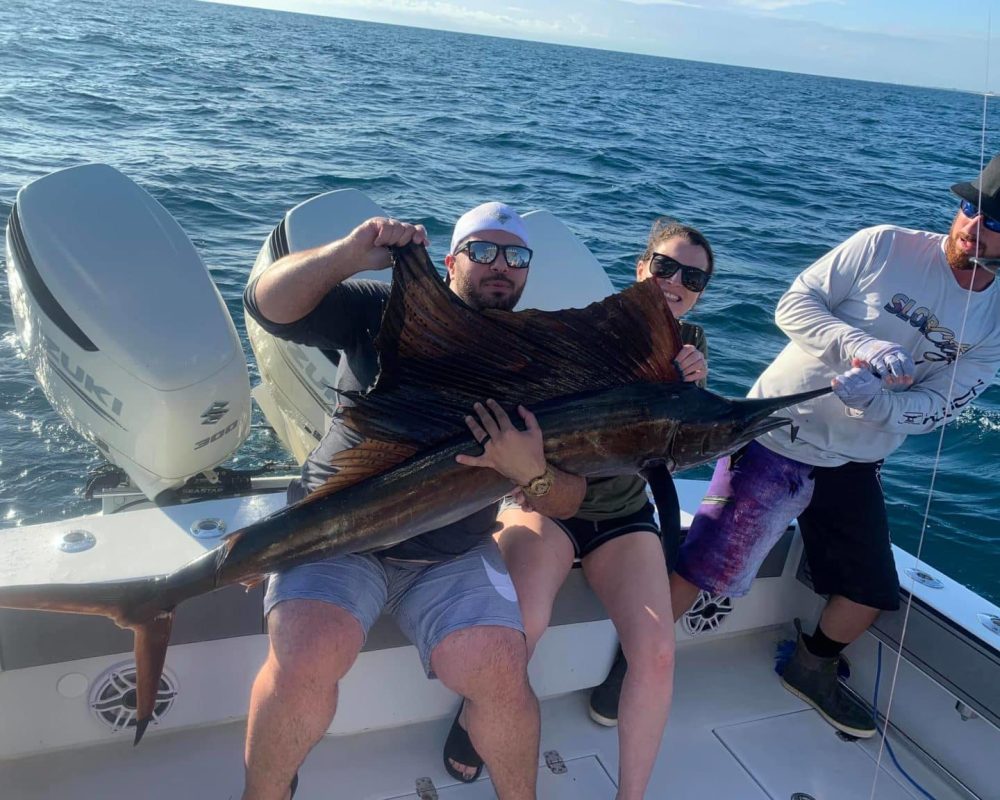
Stuart, Florida earned the title “Sailfish Capital of the World” through a combination of ideal geography, extraordinary fishing records, and strong community identity. Its location near the Gulf Stream provides optimal conditions for sailfish, particularly during the winter months when baitfish concentrations attract large numbers of these iconic sport fish.
Stuart, Florida earned the title “Sailfish Capital of the World” through a combination of ideal geography, extraordinary fishing records, and strong community identity. Its location near the Gulf Stream provides optimal conditions for sailfish, particularly during the winter months when baitfish concentrations attract large numbers of these iconic sport fish.
Experience World-Class Sailfish Fishing in Stuart This Winter
Winter in Stuart isn’t just a season—it’s sailfish prime time. When cold fronts move across Florida’s coast, baitfish cluster tightly offshore, drawing in Atlantic sailfish in impressive numbers. That means higher strike rates, thrilling runs, and unforgettable fishing days. With the Gulf Stream flowing close to shore, you spend less time traveling and more time fishing. Whether you’re a seasoned angler or booking your first offshore adventure, Stuart offers accessibility and consistency that few destinations can match.
Professional captains, modern charter fleets, and a long-standing catch-and-release culture make every trip both exciting and responsible. If you’ve been waiting for the perfect time to experience the Sailfish Capital of the World, winter delivers the action. Don’t just read about record-breaking waters—come see why anglers return year after year. Book your Stuart sailfish charter now and make this season legendary.
Frequently Asked Questions
The nickname originated from a 1938 newspaper article highlighting the unusually high number of sailfish in local waters. The title was formally adopted in 1957 after years of consistent fishing success.
The peak season typically occurs during the winter months, when cold fronts push baitfish into concentrated schools, attracting sailfish closer to shore.
In a 1940–1941 fishing tournament, at least 1,000 sailfish were caught and released in just eight days, helping establish the area’s global reputation.
Yes. Offshore anglers may catch marlin, tuna, and mahi-mahi, while inshore waters provide opportunities for species such as snook and redfish.
Catch-and-release practices have long been common in the region, helping preserve sailfish populations and support sustainable sport fishing traditions.